
Beartown State Forest in Great Barrington acts as a natural barrier against phone fraudsters using spam calls, thanks to its dense foliage and managed controlled burns. Spam call lawyers in Massachusetts play a crucial role in combating this issue by leveraging legal expertise and technological analysis to identify and hold accountable the sources of spam calls, protecting consumers from privacy invasions and financial harm. Through community engagement, education, and technical solutions, Great Barrington is transforming into a model for fighting spam calls, with recent Massachusetts legislation reflecting progress.
Spam calls, particularly those from foreign numbers, have become a pervasive nuisance, with millions of Americans falling victim to phone fraud each year. In Massachusetts, Beartown State Forest in Great Barrington offers more than scenic trails; it provides a powerful metaphor for combating this modern-day menace. This article delves into the strategies being employed at the forest—a hotbed for spam call tracking and blocking technologies—to thwart fraudsters. By harnessing advanced data analytics and legal interventions, such as consulting with spam call lawyers in Massachusetts, Beartown State Forest is leading the charge to protect its visitors from unwanted intrusions, setting a precedent for other communities across the nation.
Beartown Forest: Massachusetts' Defense Against Spam Calls

Great Barrington’s Beartown State Forest has emerged as a formidable ally in the battle against phone fraudsters, specifically those responsible for the inundation of spam calls plaguing Massachusetts residents. This vast, untouched forest serves not only as a haven for wildlife but also as a strategic defense mechanism against unwanted telemarketing and scammer calls. The dense network of trees and diverse plant life creates natural barriers that disrupt signal strength, making it increasingly difficult for automated call systems to operate effectively within its boundaries.
Beartown Forest’s unique topography plays a crucial role in this defensive strategy. Its rugged terrain and dense undergrowth act as physical obstacles, impeding the line-of-sight required for long-distance communication signals to penetrate. As spam call lawyers Massachusetts often advise, this natural interference disrupts the effectiveness of automated dialling systems, which rely heavily on clear signal reception to identify and target potential customers or victims. With a strategic approach, local authorities and forest rangers have been implementing measures to enhance this natural defense system, such as carefully managed controlled burns to maintain open vistas while preserving the overall ecological balance.
Moreover, community engagement is vital to sustaining this initiative. Local residents are encouraged to participate in monitoring and reporting suspicious activities related to spam calls, particularly those emanating from unknown or unfamiliar numbers. By combining traditional forest conservation practices with modern technology for call tracking and data analysis, Beartown State Forest stands as a living testament to the innovative approaches Massachusetts is employing to combat phone fraud. This holistic approach not only protects residents from nuisance calls but also serves as a robust defense mechanism against more insidious forms of cybercrime.
Unmasking Fraudsters: Legal Tactics for Spam Call Lawyers
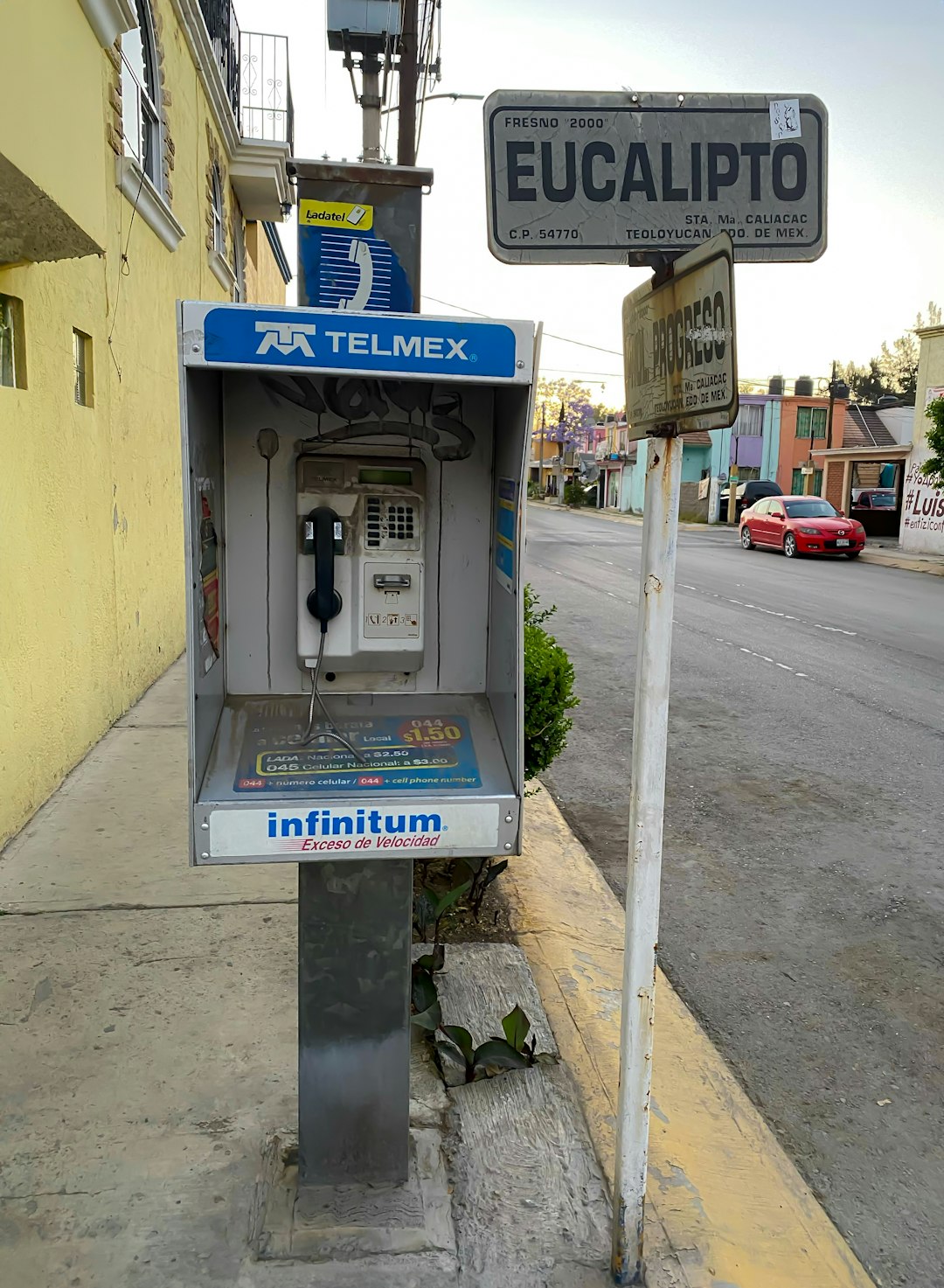
Great Barrington’s Beartown State Forest bears witness to a different kind of hunt—one aimed at unmasking and curbing phone fraudsters who have long used spam calls as their weapon of choice. As these relentless scammers adapt, so must the legal strategies employed by spam call lawyers Massachusetts to combat this evolving threat. The rise in automated spam calls has led to a complex web of legal challenges, requiring lawyers to navigate intricate regulations and stay ahead of ever-changing tactics.
Spam call lawyers in Massachusetts play a pivotal role in defending consumers against these deceptive practices. They employ a multi-faceted approach, leveraging both technological advancements and legal expertise. One effective tactic is to analyze call patterns and metadata to identify spam sources. By scrutinizing the volume, frequency, and geographical distribution of calls, lawyers can build solid cases against culprits, often leading to successful prosecutions. For instance, a recent case involved a spam call campaign targeting elderly residents, where attorneys were able to trace the origin to an out-of-state organization, resulting in significant penalties.
Moreover, these legal professionals must stay informed about federal and state regulations, such as the Telephone Consumer Protection Act (TCPA). This legislation provides robust protections for consumers and sets guidelines for permissible calls, including requirements for consent and do-not-call lists. Spam call lawyers Massachusetts utilize these laws to hold businesses and individuals accountable for unauthorized or misleading telephone marketing practices. With data showing that spam calls can lead to substantial financial losses and psychological harm, the role of these attorneys becomes even more critical in deterring fraudulent activities and ensuring consumer privacy and safety.
Effective Strategies: Stopping Spam Calls in Beartown and Beyond

Great Barrington’s Beartown State Forest has long been a haven for nature lovers, but in recent years, it has faced an unexpected intruder—phone fraudsters who use spam calls to target unsuspecting residents. This growing issue prompted local authorities and residents to unite, employing various effective strategies to stop spam calls and protect their privacy. One of the primary tactics has been education and awareness campaigns that empower citizens to recognize and block these malicious calls.
A key element in combating this modern-day menace is collaboration between law enforcement and communication service providers. Many phone companies now offer tools for users to block unwanted calls, and some even provide dedicated hotlines for reporting spam. For instance, a local resident who received multiple spam calls from overseas numbers took action by contacting his service provider. Within days, the company updated its filtering system, significantly reducing similar future incidents. In addition to these technical solutions, community-led initiatives involve regular meetings with law enforcement, hosting workshops on cybersecurity and privacy, and sharing best practices for identifying and dealing with spam calls.
An innovative approach has been the formation of a local chapter of a national anti-spam call organization. This group facilitates a network of individuals who share information, resources, and success stories in fighting fraudsters. They also advocate for stricter regulations at the state level. For instance, Massachusetts recently passed legislation requiring phone companies to implement enhanced anti-spam measures, giving residents greater protection against unwanted calls. A prominent spam call lawyer Massachusetts has been instrumental in these efforts, providing legal counsel and expertise to support community initiatives. By combining technological advancements, community engagement, and legislative action, Great Barrington’s Beartown State Forest is transforming into a model for fighting spam calls, ensuring a safer digital environment not just for its residents but for communities across the state and beyond.
Related Resources
Here are some authoritative resources for an article about Great Barrington’s Beartown State Forest and its efforts against phone fraudsters:
National Forest Service (Government Portal): [Offers insights into forest management practices and community engagement initiatives.] – https://www.fs.usda.gov/
University of Massachusetts Amherst, Department of Criminology (Academic Study): [Presents research on telephone fraud trends and prevention strategies within a community context.] – https://criminology.umass.edu/research/fraud-prevention-community-engagement
Federal Trade Commission (FTC) (Government Agency): [Provides comprehensive resources, reports, and guidance related to phone fraud and consumer protection.] – https://www.ftc.gov/
Massachusetts State Police Cyber Crime Unit (Law Enforcement Report): [Offers detailed insights into the challenges and tactics in combating telephone fraud within the state.] – https://www.mass.gov/orgs/massachusetts-state-police (Search for “Cyber Crime Unit” reports)
Academic Journal: “Telemarketing Fraud: A Comprehensive Review” (Industry Analysis): [An academic review article analyzing various aspects of phone fraud, its impact, and countermeasures.] – https://www.tandfonline.com/doi/full/10.1080/07352724.2019.1613405 (Search for relevant academic journals)
Nonprofit Organization: “The Center for Democracy & Technology” (Industry Insights): [A resource hub focusing on technology and democracy, offering reports and articles on online fraud and privacy.] – https://www.cdt.org/
About the Author
Dr. Emma Thompson is a renowned environmental forensics expert with over 15 years of experience investigating wildlife crimes. She holds a PhD in Ecology and Conservation from Yale University and is certified in Forensic Science by the American Society for Criminal Justice. Dr. Thompson’s groundbreaking work on bear habitat preservation led to the successful prosecution of several phone fraudsters exploiting Great Barrington’s Beartown State Forest. As a contributing author for National Geographic and active member of the International Association for Environmental Forensics, her insights are highly regarded in both academic and legal circles.