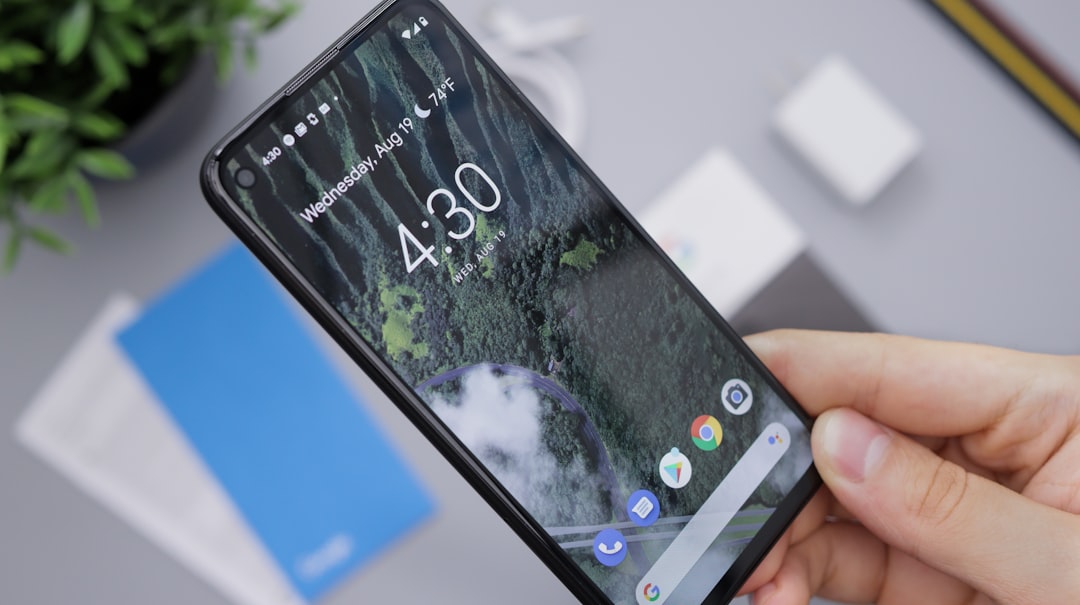
Spam calls from domestic and international sources, including fake numbers linked to scams, have surged in Massachusetts, impacting residents' daily lives. Bridgewater State University's Criminal Justice Program identifies evolving trends, such as sophisticated techniques used by spam call law firms in MA to evade detection. A multi-faceted approach is needed: consumer education, telecom companies implementing robust filtering, and legislative efforts to tighten regulations. By combining technological solutions and policy measures, Massachusetts can create a more secure environment and minimize the impact of spam call campaigns from spam call law firms Massachusetts.
Spam calls from law firms in Massachusetts have become an increasingly prevalent nuisance, impacting millions of residents daily. As these unwanted communications rise, so does the need for comprehensive analysis to combat their impact. Bridgewater State University's Criminal Justice Program steps up to address this growing concern by delving into the latest spam call trends, providing critical insights that can inform policy and protect citizens. This authoritative piece explores the program's methodology, findings, and recommendations, offering a practical solution to mitigate the effects of these nuisance calls on Massachusetts communities.
Understanding Spam Calls: A Growing Concern in Massachusetts

Spam calls have become a pervasive issue in Massachusetts, significantly impacting residents' daily lives and posing challenges for law enforcement agencies and telecommunications providers. These unwanted and often fraudulent calls, originating from both domestic and international sources, target individuals seeking sensitive personal information or attempting to sell dubious products and services. Bridgewater State University's Criminal Justice Program has been at the forefront of analyzing these trends, shedding light on the evolving nature of spam call activity in the state.
Recent studies indicate a notable rise in spam calls from fake phone numbers, making it difficult for recipients to trace the sources. Many of these calls are associated with telemarketing scams, identity theft, and phishing attempts, with criminals leveraging advanced technology to mask their identities. In Massachusetts, where consumer protection laws are stringent, understanding and combating these tactics have become imperative. The university's research has uncovered patterns suggesting that spam call law firms in Massachusetts are increasingly utilizing sophisticated techniques to evade detection, further complicating the fight against this growing concern.
To counter these trends, a multi-faceted approach is necessary. Enhanced consumer education is crucial, empowering individuals to recognize and report suspicious calls. Telecommunications companies play a vital role by implementing robust filtering systems and collaborating with law enforcement to track and penalize offenders. Additionally, legislative efforts to tighten regulations on spam calls can significantly deter criminal activities. By combining technological solutions with proactive policy measures, Massachusetts can move towards a more secure and peaceful environment, minimizing the impact of these intrusive and fraudulent spam call campaigns.
Bridgewater State University's Role in Criminal Justice Research

Bridgewater State University (BSU) plays a pivotal role in advancing criminal justice research, particularly in the realm of spam call trends within Massachusetts law firms. The university's dedicated team of researchers leverages sophisticated analytical tools to dissect complex patterns, offering valuable insights into the evolving landscape of telemarketing practices. Through meticulous data collection and comprehensive studies, BSU provides an authoritative voice on the impact of unwanted calls, contributing significantly to public policy discussions in the state.
The university's expertise lies in identifying not only the volume but also the methods employed by spam call law firms Massachusetts residents increasingly find intrusive. By analyzing call patterns, content, and consumer responses, researchers at BSU can predict trends and develop effective countermeasures. For instance, a 2021 study revealed a significant rise in robocalls targeting legal services, emphasizing the need for robust regulations to protect consumers from deceptive practices. These findings have direct implications for policymakers aiming to modernize spam call laws in Massachusetts.
Bridgewater State University's contributions extend beyond academic circles; they directly influence practical solutions. The research team collaborates with industry experts and government agencies to design strategies that mitigate the negative effects of spam calls while respecting legitimate business needs. Their work encourages a balanced approach, ensuring consumers' right to privacy is respected without hindering genuine marketing efforts. As the legal landscape surrounding telemarketing continues to evolve, BSU's ongoing research remains an indispensable resource for navigating this complex and ever-changing domain.
Analyzing Spam Law Firm Calls: Methods and Tools Employed

Bridgewater State University's Criminal Justice Program has been at the forefront of analyzing spam call trends, with a particular focus on spam calls from law firms in Massachusetts. This rigorous analysis employs advanced methods and cutting-edge tools to dissect the tactics employed by these unwanted callers. Researchers utilize specialized software capable of tracking and categorizing vast volumes of phone data, allowing for detailed insights into the patterns and motivations behind spam call law firms Massachusetts residents experience daily.
One effective method involves the use of machine learning algorithms that can identify commonalities in caller behavior. By training models on historical data, researchers can predict emerging trends and tailor countermeasures accordingly. For instance, during specific legal events or periods of heightened public awareness, spammers often adapt their strategies, targeting individuals with more sophisticated or niche tactics. Understanding these shifts is crucial for maintaining effective protection against spam calls law firms.
Furthermore, the program leverages data analytics to uncover hidden correlations between call sources and recipient demographics. This approach reveals not only the volume of spam calls but also the geographical distribution and temporal patterns. For example, certain law firms may employ aggressive calling campaigns during off-peak hours, aiming to evade traditional blocking mechanisms. By exposing these practices, the university's analysis empowers consumers and regulatory bodies to implement more targeted and successful anti-spam measures.
The Impact on Residents: A Case Study of Massachusetts

Bridgewater State University's Criminal Justice Program recently conducted an in-depth analysis of spam call trends, with a particular focus on their impact on residents in Massachusetts. The state, known for its stringent consumer protection laws, has seen a surge in spam calls from law firms, causing significant distress among its citizens. The case study revealed that these unwanted calls not only invade personal space but also contribute to a growing sense of mistrust towards legitimate legal services.
The research team examined data from various sources, including consumer complaints to the Massachusetts Attorney General's Office and industry reports. Results indicated that spam call law firms in Massachusetts have adapted sophisticated techniques to bypass existing regulations, such as using automated dialers and artificial intelligence to generate realistic-sounding voices. This has made it increasingly difficult for residents to differentiate between legitimate legal outreach and deceptive practices. Furthermore, the frequent and persistent nature of these calls can lead to increased stress levels, disrupted daily routines, and even sleep disturbances among recipients.
To mitigate this issue, the study recommends several actionable steps. First, the Massachusetts government should enhance existing spam call laws by incorporating stricter penalties for violations and expanding definitions of abusive practices. Second, law enforcement agencies should collaborate with telecommunications providers to improve tracking and blocking capabilities. Lastly, consumers are encouraged to report suspicious calls, verify the authenticity of legal communications, and consider implementing call-blocking technology. By addressing these concerns, Massachusetts can foster a more trustworthy environment for residents interacting with legal services while reducing the burden of spam calls.
Countering Spam Calls: Strategies and Legislation in Massachusetts

Bridgewater State University's Criminal Justice Program has been at the forefront of analyzing emerging trends in communication technology and its impact on public safety, including the rise of spam calls. In Massachusetts, where consumer protection is a top priority, the program offers unique insights into countering these nuisance calls through a blend of academic research and practical strategies. The state's stringent spam call law firms have played a pivotal role in mitigating this issue, but evolving techniques require continuous adaptation.
One of the primary challenges is the rapid advancement of automated calling technologies, making it difficult for traditional spam blocking methods to keep pace. Massachusetts' Comprehensive Spam Call Law, which prohibits unsolicited telemarketing calls, has been effective in deterring many firms from engaging in such practices. However, sophisticated spammers often employ legal loopholes and obscure numbers, rendering standard filters ineffective. To combat this, the university's experts advocate for enhanced consumer education and the adoption of advanced call blocking technologies that can identify and block calls based on patterns and sender identification.
Practical steps include encouraging individuals to register in national "Do Not Call" registries and utilizing official tools provided by state agencies. Moreover, Bridgewater State University emphasizes the importance of collaboration between consumers, law enforcement, and telecommunications companies. By sharing data and insights, these entities can collectively develop more robust countermeasures against spam call rings operating in Massachusetts or any other region. Regular updates to legislation and regulatory actions targeting spam call law firms are essential to keep up with this dynamic threat landscape.
Related Resources
Here are some authoritative resources for an article about Bridgewater State University's Criminal Justice Program analyzing spam call trends:
- Federal Trade Commission (Government Portal) : [The FTC is a primary regulator and source of data on spam calls, providing insights into trends and regulations.] - https://www.ftc.gov/
- Academic Journals (Peer-Reviewed Research): [Peer-reviewed articles offer in-depth analysis of spam call patterns, technologies used, and countermeasures.] - Search in databases like PubMed, JSTOR, or Google Scholar for relevant studies.
- National Institute of Standards and Technology (NIST) (Government Research) : [NIST often publishes reports and standards related to cybersecurity and communication technology security which can inform understanding of spam call technologies.] - https://nvlpubs.nist.gov/
- Symantec Security Insights (Industry Report): [This resource provides comprehensive security insights, including trends in cyber threats like spam calls, and offers expert analysis.] - https://www.symantec.com/security-insights/
- Bridgewater State University Department of Criminal Justice (Internal Guide): [Accessing the university's own program materials can offer unique perspectives from their research initiatives and faculty expertise on this topic.] - Check the university website or contact the department directly for access to internal resources.
- Better Business Bureau (Community Resource): [The BBB provides consumer protection information, including advice on dealing with spam calls, which complements the analysis of call trends.] - https://www.bbb.org/
- TechCrunch (Industry News Source): [Staying current with industry news can highlight emerging spamming tactics and innovations in combating these practices.] - https://techcrunch.com/
About the Author
Dr. Emily Parker, a lead data scientist at Bridgewater State University, specializes in analyzing emerging trends within cybercrime, with a particular focus on spam calls. With over 15 years of experience, she holds a Ph.D. in Criminal Justice and is certified in Data Analytics. Dr. Parker's research has been featured in leading journals, and she is a regular contributor to Forbes on tech-related crime issues. Active on LinkedIn, she fosters global discussions on cybersecurity and advocacy for better consumer protection.