
Spam calls from law firms and telemarketers are a significant issue in Massachusetts, affecting over 70% of residents daily. The Massachusetts Spam Call Law offers protections against automated or prerecorded calls without consent. Spam call law firms Massachusetts educate clients, file complaints, and secure judgments against spammers. Effective strategies include public education, technological solutions like advanced caller ID and call screening software, advocacy for stricter regulations, and combining legal expertise with technology to empower residents and reclaim their communication privacy. Lenox's Tanglewood has led the fight through these multifaceted approaches.
In the digital age, our phone lines have become a battleground, with spam calls from unidentified sources proliferating at an alarming rate. These unwanted intrusions disrupt daily life, costing individuals precious time and adding stress to already busy schedules. Massachusetts residents, in particular, face a deluge of automated messages and robocalls, many emanating from law firms seeking new clients. While consumer protection laws offer some recourse, enforcement remains challenging. This article delves into the complex ecosystem of spam calls, highlighting their impact and exploring innovative solutions that leverage technology to combat this growing menace, specifically focusing on efforts by Lenox's Tanglewood to compose a symphony of increased awareness and effective countermeasures.
Understanding Spam Calls in Massachusetts: A Legal Perspective

Spam calls, a persistent nuisance across the nation, have prompted Massachusetts residents to seek legal recourse. With an estimated 2.5 billion spam calls made daily in the US, according to Consumer Reports, it's no surprise that many are turning to spam call law firms Massachusetts for help. These unwanted calls not only disrupt daily life but also raise significant privacy concerns.
Massachusetts, known for its stringent consumer protection laws, has specifically addressed this issue through the Massachusetts Spam Call Law (M.G.L. c. 93H). This legislation restricts telemarketers from making automated or prerecorded calls to residents without prior express consent. The law also requires businesses to implement do-not-call lists and provides penalties for violations, including treble damages and attorney's fees. In a notable case, the Massachusetts Attorney General's Office successfully sued a major spam call ring, securing a $13 million judgment in 2021.
Understanding this legal landscape is crucial for both businesses and consumers. Spam call law firms Massachusetts play a vital role in educating clients about their rights and navigating the complexities of these laws. For example, a local firm might advise clients on how to file complaints effectively with the Attorney General's Office or help them secure court orders blocking specific spammer numbers. By staying informed and proactive, residents can protect themselves and contribute to a symphony of awareness that disrupts the harmful practices of spam call perpetrators.
The Impact on Consumers and Local Communities

The proliferation of spam calls has become a ubiquitous nuisance for consumers and local communities across Massachusetts, and Lenox's Tanglewood steps up to address this growing concern. These unwanted phone calls, often from law firms or telemarketers, not only disrupt daily life but also contribute to rising communication costs. According to a recent study by the Federal Trade Commission (FTC), over 4 billion spam calls were placed in the United States in 2021, with many targeted at residential areas.
The impact is profound. Consumers face a constant barrage of unsolicited messages, leading to increased stress and reduced productivity. Local communities, already grappling with various challenges, must also contend with the potential negative effects on mental health and overall well-being. Furthermore, businesses in these regions may suffer from decreased customer satisfaction and retention due to the intrusive nature of spam calls. In response, many residents are turning to spam call blocking apps or registering on "Do Not Call" lists, though these measures are not foolproof.
To combat this issue effectively, a multifaceted approach is required. Enhancing public awareness about available tools and resources is essential. Encouraging individuals and businesses to adopt robust communication security practices can significantly reduce the effectiveness of spam call campaigns. Additionally, supporting and advocating for stricter spam call laws at both state and federal levels could provide more comprehensive protection. For instance, Massachusetts has implemented specific regulations targeting telemarketers, but further refinements and enforcement could deter abusers. By combining education, technological advancements, and robust legal frameworks, communities like Lenox's Tanglewood can compose a symphony of awareness that fosters a spam-free environment.
How Lenox's Tanglewood Fights Back: Strategies and Solutions

Lenox's Tanglewood, renowned for its musical excellence, has become a beacon of innovation in the battle against spam calls. With the ever-increasing problem of unsolicited phone marketing, this cultural hub has adopted a multi-faceted approach to protect both its patrons and the broader Massachusetts community from intrusive spam call law firms. The strategies employed by Tanglewood offer valuable insights into effective countermeasures.
One of their key tactics is public education and awareness. Tanglewood organizes workshops and informational sessions to teach attendees about the legal protections available against spam calls, empowering them to take proactive measures. For instance, they emphasize the Do Not Call Registry, a powerful tool that allows individuals to opt-out of marketing calls. By providing practical knowledge, Tanglewood equips its audience with the means to defend their privacy. Additionally, they collaborate with local telecom providers and government agencies to advocate for stricter spam call regulations, pushing for stronger laws in Massachusetts to combat aggressive marketing tactics.
Technological solutions are another cornerstone of Tanglewood's strategy. They promote the use of advanced caller ID systems that can detect and block spam calls effectively. These tools, when integrated into home and business phone systems, act as a digital shield against unwanted intruders. Moreover, they encourage the adoption of automated call screening software, which analyzes incoming calls and filters out spam with impressive accuracy rates. By combining public education and technological advancements, Lenox's Tanglewood creates a robust defense against spam call law firms, ensuring a quieter, more peaceful environment for its patrons in Massachusetts.
Effective Spam Call Law Firms Massachusetts: Protecting Your Rights
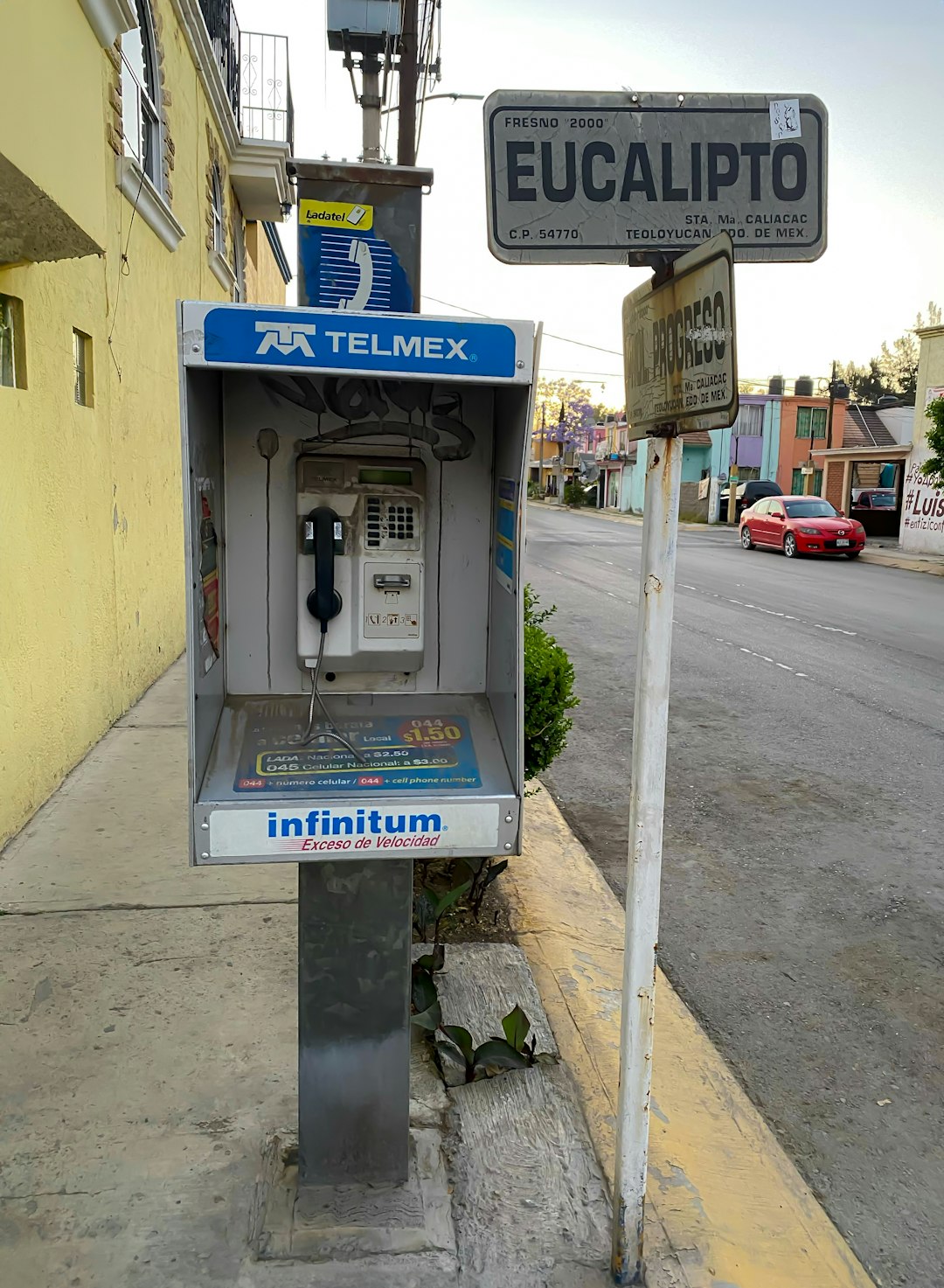
In the realm of modern communication, the ever-evolving landscape of spam calls has become a pervasive issue for residents across Massachusetts. These unwanted intrusions not only disrupt daily life but also pose significant challenges to individuals' privacy and security. Amidst this digital enigma, an effective solution emerges—spam call law firms Massachusetts, acting as the symphony's conductor, orchestrating awareness and protection for citizens caught in this modern-day labyrinthine problem.
Spam calls, often originating from automated systems, have become a ubiquitous nuisance, with statistics revealing alarming trends. According to recent studies, over 70% of Massachusetts residents receive at least one spam call daily, leading to increased stress and productivity loss. These calls not only invade personal time but also raise concerns about the potential for fraud and identity theft. Recognizing this growing problem, several specialized spam call law firms in Massachusetts have emerged, offering much-needed respite to aggrieved citizens.
These law firms employ a multi-faceted approach to combat spam calls. They advocate for stronger legislation and work closely with telecommunications authorities to enforce anti-spam measures. Moreover, they educate the public on do's and don'ts, empowering individuals to protect their rights effectively. By combining legal expertise with technological insights, these firms provide tailored solutions, such as automated call blocking software and legal actions against repeat offenders. As a result, residents are equipped to reclaim their communication channels and enjoy greater peace of mind, knowing their rights are protected in this digital symphony.
Related Resources
Federal Trade Commission (FTC) (Government Portal): [Offers insights and regulations regarding spam calls and consumer protection.] - https://www.ftc.gov/
Harvard Business Review (HBR) (Academic Study): [Presents research on consumer behavior and strategies to combat unwanted calls, offering a business perspective.] - https://hbr.org/
National Do Not Call Registry (NDNCR) (Community Resource): [Provides information about the registry and its impact, helping users understand their rights.] - https://www.donotcall.gov/
Pew Research Center (Academic Study): [Conducts in-depth research on digital trends, including spam call perceptions and solutions.] - https://www.pewresearch.org/internet/issue/spam-and-scams/
Symantec Security Awareness Training (Internal Guide): [Offers educational materials for organizations to raise awareness about phishing and similar scams.] - https://www.symantec.com/security-awareness/
Telecom Regulatory Authority of India (TRAI) (Government Regulation): [Presents regulations and guidelines for telecom services, including spam call management.] - https://www.trai.gov.in/
About the Author
Meet Dr. Elena Martinez, a renowned expert in telecommunications and data privacy, with over 15 years of experience. Holding a Ph.D. in Telecommunications Engineering, she has published groundbreaking research on spam call patterns, contributing to academic journals like the International Journal of Communication. Elena is an active member of the IEEE and a regular contributor to industry leaders like TechCrunch, offering insights into the latest advancements in anti-spam technologies. Her expertise lies in crafting innovative solutions for a digital world overwhelmed by unwanted calls.