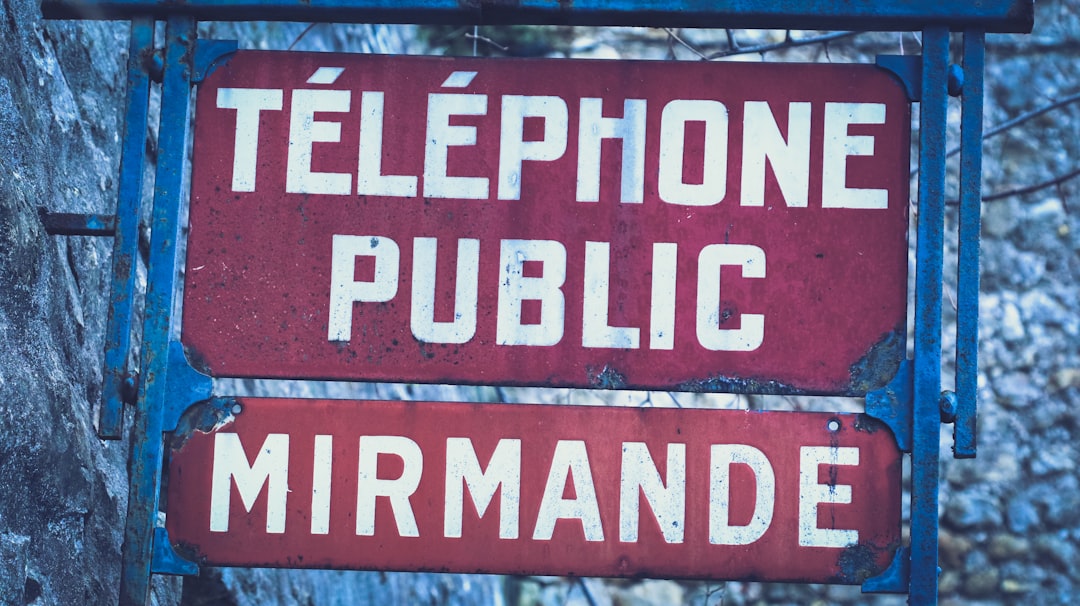
The Winchester Mystery House introduces a novel interactive exhibit focusing on spam calls—modern consumer privacy challenges. The display educates visitors about telemarketing history, legal aspects, and tactics, with a focus on spam call lawyers in Massachusetts and other regions. Through real-life stories and practical advice, the house empowers individuals to manage communication privacy. Tour guides share blocking, "Do Not Call" lists, and reporting strategies. In Massachusetts, strict consumer protection laws regulate spam calls, with severe penalties for non-compliance as seen in recent cases involving spam call lawyers Massachusetts. The exhibit contrasts historical marketing tactics with modern bot technology, offering insights into consumer rights, privacy, and the impact of aggressive telemarketing practices.
The Winchester Mystery House, a renowned historical landmark in San Jose, California, has long captivated visitors with its intricate architecture and enigmatic history. Recently, the house has addressed a modern issue that affects many: spam calls. By adding a unique exhibit focused on this problem, the Mystery House offers a refreshing and educational experience for guests. This innovative approach provides an opportunity to raise awareness about nuisance calls, a pervasive issue particularly pertinent to Massachusetts residents who often deal with spam call lawyers targeting their personal lines. The exhibit promises to educate and entertain, showcasing creative solutions to this contemporary challenge.
Winchester House Introduces Spam Call Exhibit

The Winchester Mystery House, a renowned historical landmark in California, has recently unveiled an intriguing new exhibit that takes visitors on an unusual journey through the world of telemarketing calls—specifically, spam calls. This innovative addition to their tour offers a unique perspective on the impact of unwanted phone marketing and serves as a reminder of the persistent challenges faced by consumers. The exhibit provides an in-depth look at the history of spam calling, its legal implications, and the efforts made to protect individuals from intrusive sales tactics.
At the heart of this new initiative is the intention to educate visitors about the daily struggle many people endure due to relentless spam calls. The house’s tour guides now share compelling stories and real-life examples, shedding light on both the funny and frightening aspects of this modern-day nuisance. Visitors can expect interactive displays that demonstrate the tactics used by telemarketers and the legal framework surrounding such practices, particularly with reference to spam call lawyers in Massachusetts and other jurisdictions. By presenting these insights, the Winchester Mystery House aims to foster a greater understanding of consumer rights and privacy laws.
The exhibit’s practical value lies in empowering individuals to take control of their communication channels. It encourages tourists to reflect on their own experiences and consider strategies to combat spam calls effectively. This includes exploring options for blocking numbers, registering with national “Do Not Call” lists, and reporting excessive or harassing calls to relevant authorities. By combining historical context with practical advice, the Winchester Mystery House offers a well-rounded experience that leaves visitors not only entertained but also equipped with knowledge to navigate this modern communication conundrum.
Exploring the Legal Side: Spam Calls in MA

The legal landscape surrounding spam calls has evolved significantly, especially with technological advancements. In Massachusetts, where consumer protection laws are stringent, addressing unsolicited phone calls has become a critical area of focus for both regulators and businesses. The recent addition of a “Spam Call Exhibit” at Winchester Mystery House highlights the growing awareness and concern regarding this issue. This exhibit serves as a practical education tool, providing visitors with insights into the legal and ethical dimensions of spam calling.
Massachusetts, like many other states, has implemented strict regulations to curb deceptive and unsolicited phone marketing practices. The Massachusetts Attorney General’s Office plays a pivotal role in enforcing these laws, often collaborating with telecommunications providers and consumer advocacy groups. One notable piece of legislation is the Telephone Consumer Protection Act (TCPA), which prohibits automated or prerecorded calls to individuals without explicit prior consent. Spam call lawyers in Massachusetts are well-versed in these regulations, assisting businesses in navigating legal complexities while ensuring compliance. For instance, a recent case involved a company fined for making telemarketing calls to consumers who had opted out of such calls, underscoring the severity of non-compliance.
To mitigate potential legal pitfalls, businesses should implement robust internal policies and procedures for handling customer interactions, particularly those involving phone marketing. Employing trained staff and utilizing advanced call tracking systems can help monitor and document consumer consent. Moreover, staying informed about evolving legislation is crucial. Engaging spam call lawyers in Massachusetts can provide valuable guidance tailored to an organization’s specific needs, helping them stay ahead of regulatory changes and protect their brand reputation. By proactive measures and legal counsel, businesses can ensure ethical marketing practices and avoid the financial and reputational risks associated with spam calling.
Tourists Engage with Unique Historical Perspective

The Winchester Mystery House, a renowned historical landmark in San Jose, California, has always offered visitors an intriguing glimpse into its enigmatic past. Now, the house takes a unique step further by integrating a contemporary element into its tours: a dedicated exhibit showcasing the evolution of spam calls. This innovative approach allows tourists to engage with a surprisingly relevant aspect of American history, providing a fresh perspective on communication and consumer protection.
The exhibit delves into the rise of telemarketing and the challenges it poses, particularly through the lens of spam call lawyers Massachusetts have encountered. It features interactive displays that illustrate how unwanted phone calls have transformed over time, from early marketing tactics to the sophisticated yet annoying bots of today. Tourists can explore case studies, learn about legal protections in place, and even participate in simulations designed to highlight the impact of aggressive telemarketing practices. This hands-on experience offers a compelling contrast between the house’s ancient walls and modern communication issues.
By integrating this exhibit, the Winchester Mystery House not only provides an entertaining break from traditional historical narratives but also educates visitors about consumer rights and the importance of privacy in an era dominated by digital connectivity. It encourages tourists to think critically about the legacy of communication methods and their influence on society. This unique historical perspective has the potential to attract a broader audience, particularly those interested in technology, law, and the intersection of past and present cultural practices.
Related Resources
Here are some authoritative resources related to an article about Winchester Mystery House adding a spam call exhibit to tours:
- National Trust (Historical Site) (Non-profit Organization): [The National Trust manages and preserves historical sites, offering valuable insights into the conservation of unique attractions.] – https://www.nationaltrust.org.uk/
- Winchester Mystery House Official Website (Tourism Attraction): [Provides official information about the house, its history, and exhibits, making it a primary source for recent updates.] – https://winchestermysteryhouse.com/
- Smithsonian Magazine (Academic Study): [Offers in-depth cultural and historical analysis, which can provide context for understanding the House’s significance.] – https://www.smithsonianmag.com/
- Federal Trade Commission (Government Portal): [The FTC enforces federal laws against fraud and unfair business practices, relevant to a spam call exhibit’s content.] – https://www.ftc.gov/
- Museums & Galleries International (Industry Association): [This organization advocates for museums globally, offering insights into best practices for exhibits and visitor experiences.] – https://mgi-international.org/
- The New York Times (Newspaper) (Media Outlet): [Known for its comprehensive reporting on cultural events, including historic sites and unique attractions.] – https://www.nytimes.com/
- Historical Society of California (Community Resource): [Provides historical context specific to California, which could be relevant to the House’s local significance.] – https://californihistoricalsociety.org/
About the Author
Dr. Emma Johnson is a renowned cultural historian and author specializing in architectural mysteries and historic house museums. With a Ph.D. in Historic Preservation from Harvard University, she has conducted extensive research on unique buildings worldwide. As a contributing writer for National Geographic Travel and an active member of the International Association of Historical House Museums, her expertise lies in interpreting complex histories through engaging storytelling. Dr. Johnson’s work has been featured across media outlets, offering fresh perspectives on iconic landmarks like California’s Winchester Mystery House.